
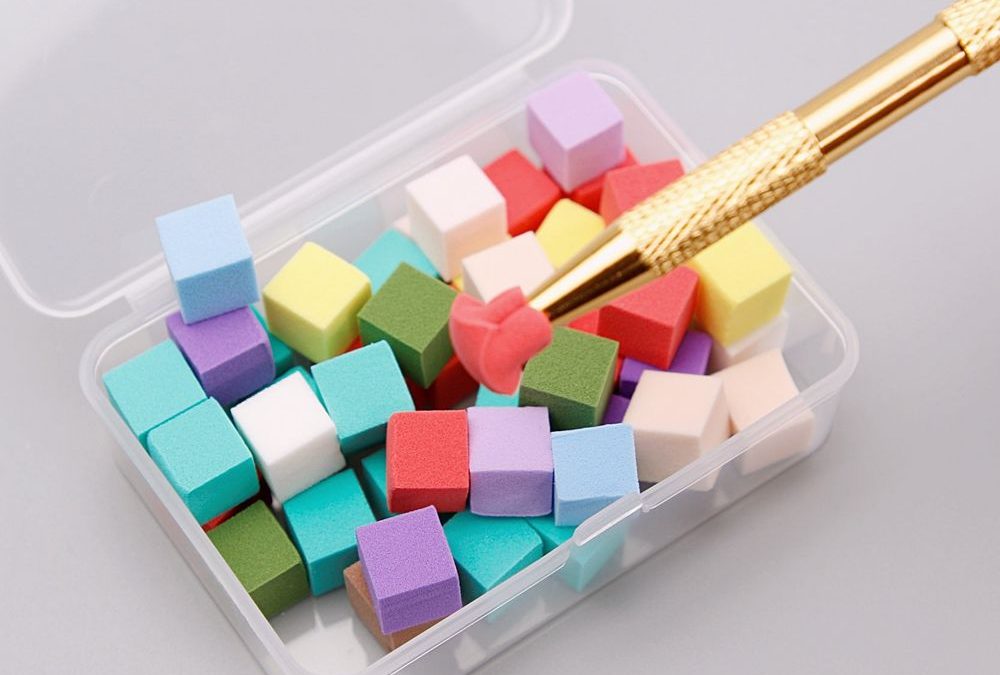
Curious how these mini tools hold up in a busy salon rotation? This piece breaks down realistic expectations over weeks of regular use for Mini Ombre Nail Sponges and the included picker and storage box.
See the Disposable Nail Sponges set Disposable Nail Sponges to evaluate colors, pick a storage strategy, and decide your reorder frequency.
Fast, hygienic control that keeps service times steady
Expect immediate gains in speed and hygiene when introducing these compact cube applicators. Each sponge is sold to be used once and discarded, which streamlines sanitation between clients and removes the time spent cleaning reusable tools. For a salon manager watching throughput, single-use cubes cut cross-contamination checks and reduce pause time between sessions.
Keep in mind that the set is designed for small, precise blending tasks, so technicians will quickly adjust workflows to tap-blend rather than paint-and-blend. For an easy on-rack reference and to help staff adopt the tool, place a labeled storage box at each station so spare cubes are within arm’s reach.
Consistent tactile feel for controlled gradation work
Over the first few weeks, technicians will notice the small, cube shape feels predictable under the picker tool. That compact footprint encourages light, layered application—ideal for ombrés, pastelly French tips, and cloud-like fades—so builds and touch-ups remain consistent across clients.
- First week: technicians get comfortable with how much pigment each mini cube deposits.
- Weeks two to four: muscle memory sets in for tapping pressure and layering rhythm.
- After a month: trainees typically match senior techs’ blending speed with fewer wasted swipes.
Low product absorption translates to cost control
Because the foam is described as higher-density with limited absorption, salons should expect more of the product to transfer to the nail and less to be lost inside the cube. That reduces the amount of expensive gels, pigments, and chrome powders consumed per service.
Practical expectations by week:
- Initial use: estimate a small learning loss while teams calibrate how much product to pick up.
- Short term (2–3 weeks): product usage stabilizes; fewer repeat dabs required for the same color payoff.
- Ongoing: predictable product spend helps manage inventory for pigments and top coats.
Visible wear points and when to discard during service
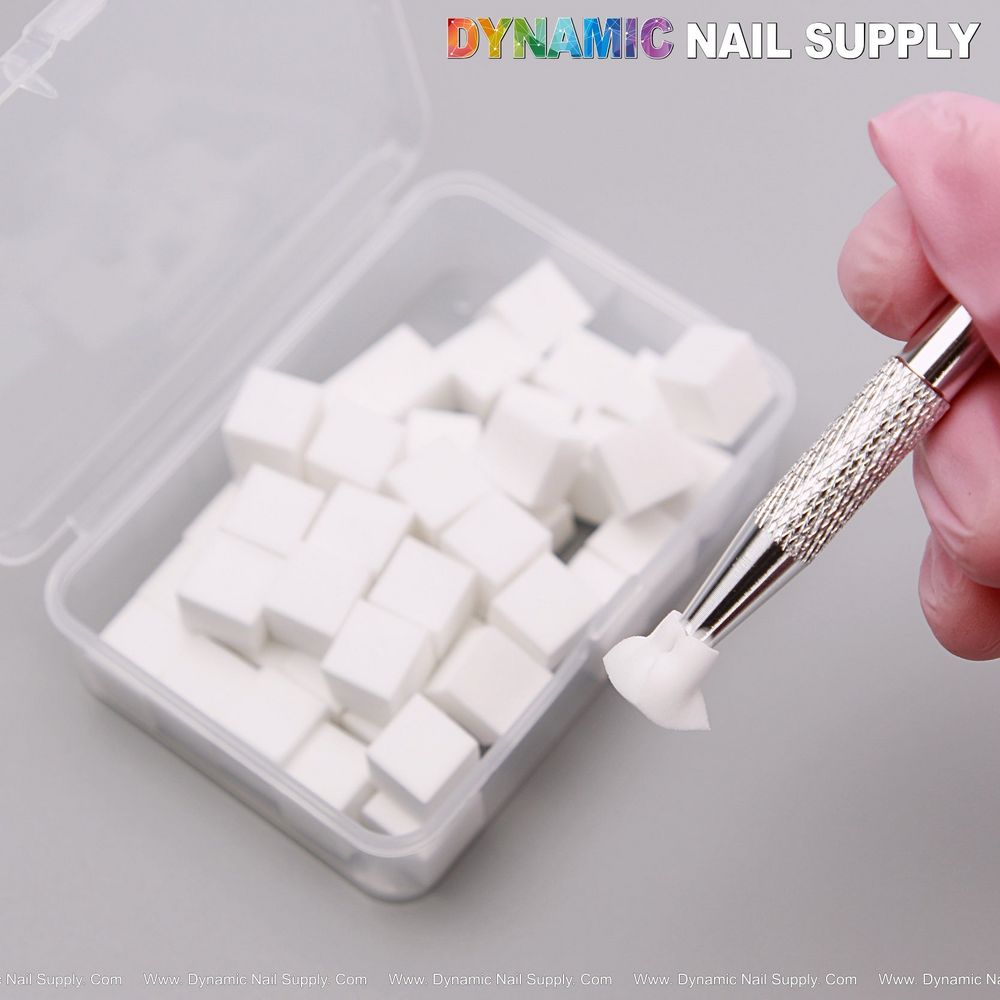
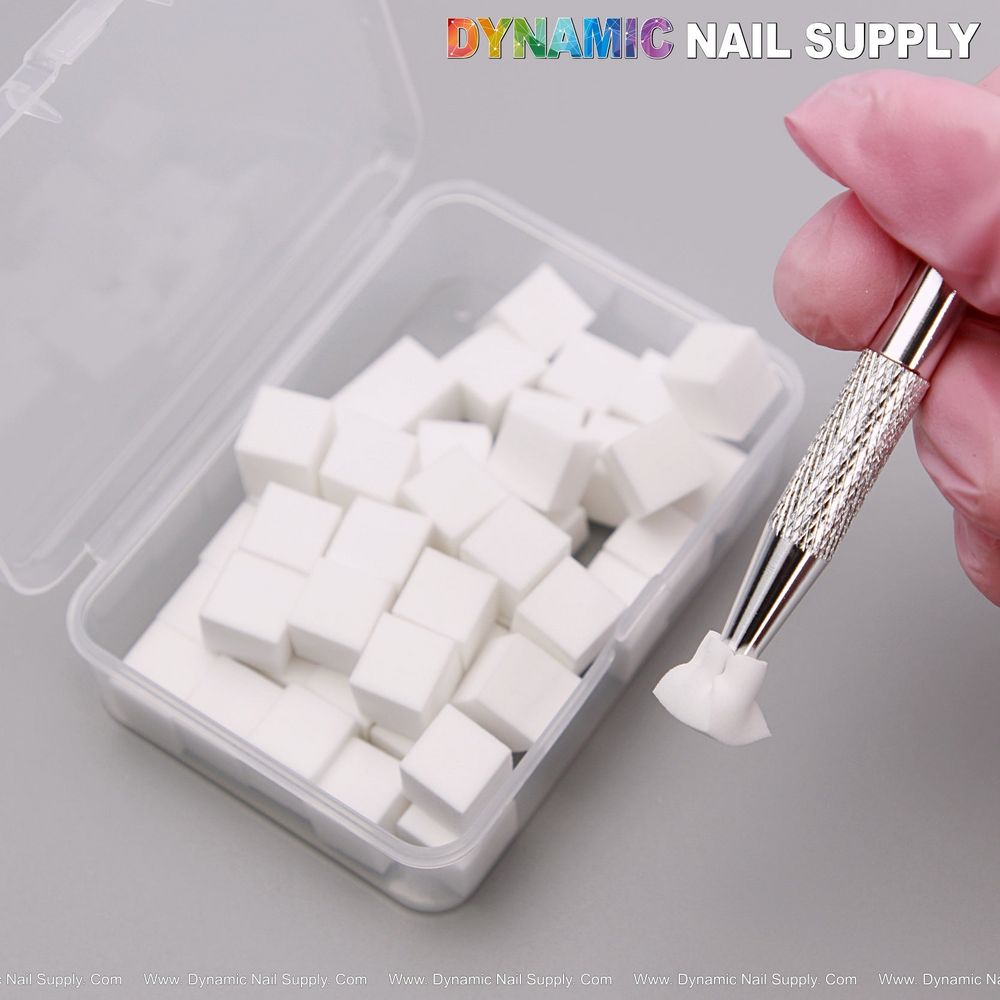
These mini cubes are intended for single-client or single-color use, so visible wear is mainly observed during use rather than after storage. Expect the following cues to stop using a cube within a service:
- Discoloration that prevents clean gradients between shades.
- Clumping or saturation of gel/pigment where the surface no longer releases color evenly.
- Compression of the cube that makes tapping less precise at edges.
If any of these occur, swap to a fresh sponge rather than attempting to revive it—disposal after use preserves edges and finish quality.
Storage and station care that extend shelf readiness
The clear storage box included with the set helps keep sponges dust-free and organized between services. In real salon conditions expect the following storage tips to keep the cubes salon-ready for the full life of the package:
- Keep boxes away from direct sunlight to prevent color fading of the foam.
- Store in a dry area; extended humidity can slightly soften foam texture over time.
- Re-seal the box after each use to limit lint or debris settling on spare cubes.
For a quick visual inventory, keep a box on each station and a backup box in the supply closet. A small, labeled bin for used sponges keeps dirty tools off the workstation until staff can dispose of them properly.
Picker tool handling and safety guidance
The included metal picker tool is a practical accessory for gripping tiny cubes without touching product; it speeds application and reduces fingermarks on finished work. Over weeks of service routine, expect the metal claws to maintain a firm grip if treated correctly.
- Inspect the picker before each shift for bent tips or loosening joints.
- Wipe the metal tool with an appropriate salon disinfectant between clients; do not soak if it risks rust.
- Replace the picker if jaws no longer hold the sponge securely—slippage costs time and precision.
Single-use cubes and a reliable picker speed up chair rotations while keeping blending consistent.
Design and color choices that affect client offerings
The set shows a cheerful pastel-leaning rainbow with both cool and warm tones, which signals a salon can offer springtime, candy, or tropical looks without buying multiple tool types. Expect creative options like pastel fades, citrus accents, or tiny block-color nails to become quick menu items because the cubes are already matched to those palettes.
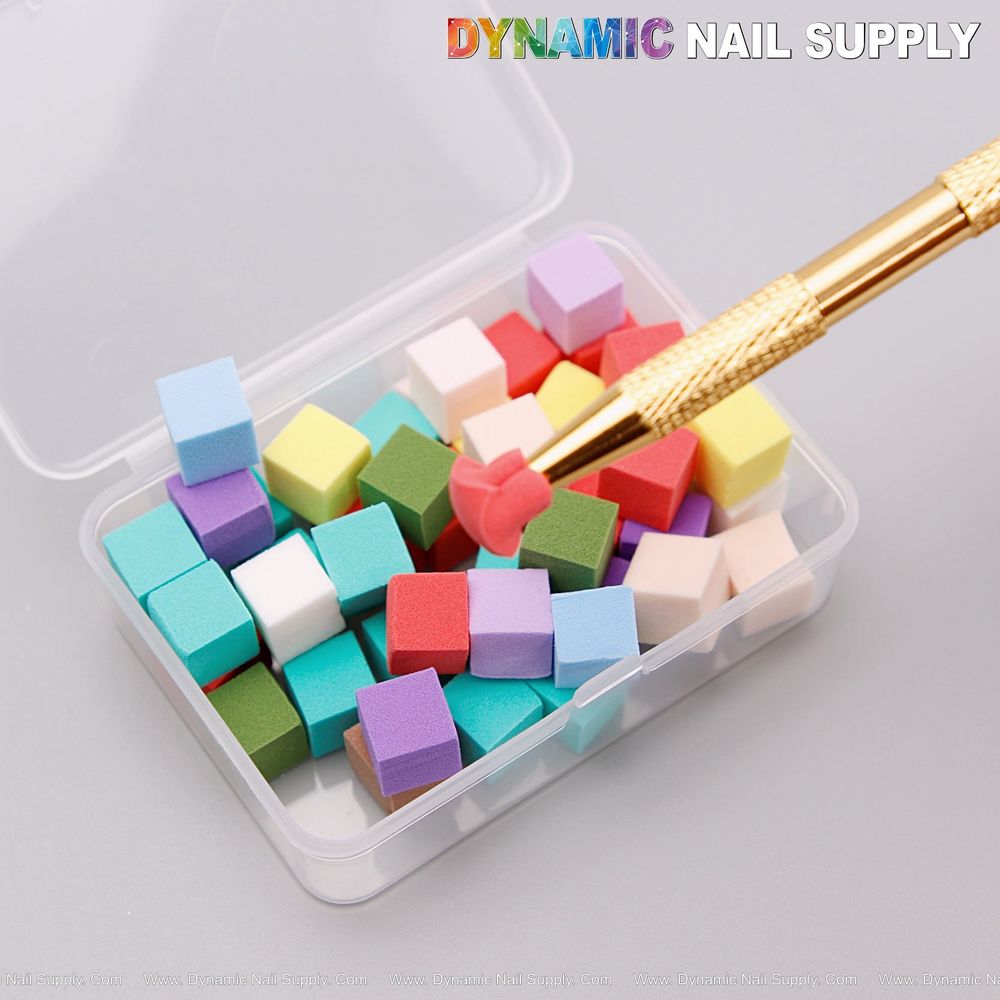
Because the cubes are matte and porous, they work particularly well with light layering techniques and chrome powders that require delicate taps rather than vigorous rubbing.
Inventory planning and cost expectations
At an entry price of $3.99 per set (prices may change), these sponges are a low-cost consumable that supports hygiene-forward service models. For budgeting:
- Estimate use of multiple cubes per manicure when doing multi-shade ombrés or chrome blends.
- Factor in one cube per nail for very detailed looks or for services that use different pigments per finger.
- Track weekly consumption for popular menu items to forecast reorder points and reduce last-minute runs.
Replacement signs and waste handling
Because the product is disposable, the main replacement trigger is single-use discard. Still, managers should watch for two operational signals:
- Staff reaching for multiple cubes per client suddenly—this can signal technique retraining or a need for alternative sponge sizes.
- Frequent picker replacements—this suggests heavier-than-expected handling or a need for sturdier metal tools on the station.
Used sponges can be discarded as non-hazardous salon waste unless local regulations state otherwise. Keep a labeled trash receptacle for used foam near the prep area to avoid accidental reuse.
Practical tips to get consistent results fast
- Train staff to build color in thin layers rather than press for a single heavy deposit.
- Rotate sponge colors in the box so teams use up similar tones and avoid accidental color transfer across palettes.
- Carry a spare picker per station to avoid downtime if a tool is damaged mid-service.
These steps help teams hit a steady rhythm and reduce product waste while keeping service quality high.
Short recap
- Single-use cubes speed hygiene and chair turnover.
- Low absorption helps control product spend.
- Replace sponges after visible saturation or loss of shape.
- Store in the included box and treat the metal picker like a small instrument—inspect and disinfect.